
Can a Retainer Move Teeth Back Into Place?
It’s a question we hear often at Freels Orthodontics, and it’s a fair one. You finished your braces treatment, life got busy, and somewhere along the way your retainer stopped being part of your routine. Now your teeth feel a little different, and you’re wondering if slipping that retainer back in will fix things. The honest answer is: it depends, and here’s what you need to know.
What a Retainer Is Actually Designed to Do
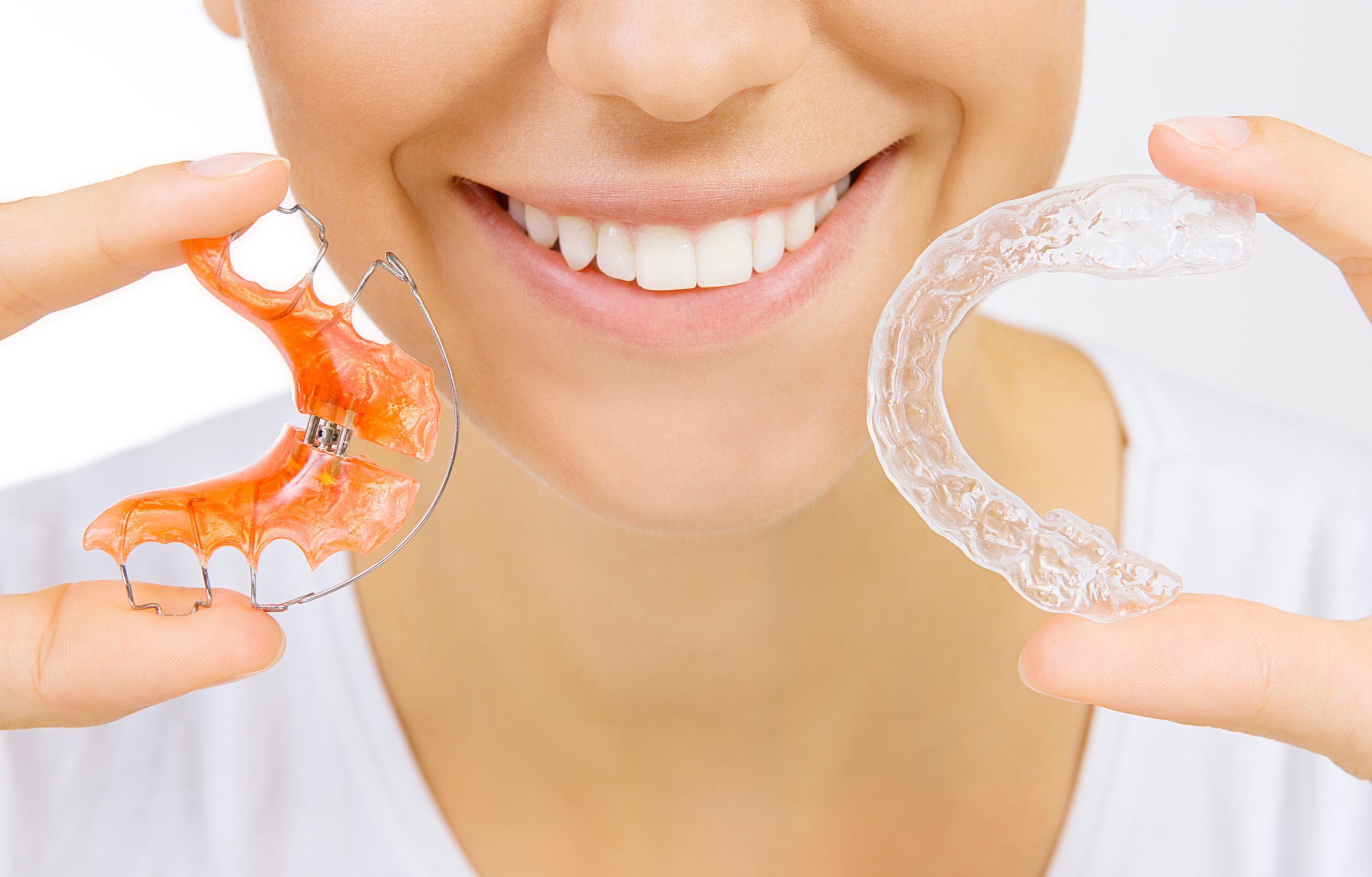
A retainer is a passive appliance. Its job is to hold your teeth in the position your orthodontic treatment established, not to move them. Braces and clear aligners like Invisalign apply consistent, controlled force to shift teeth through the bone over time. A retainer doesn’t work that way. It simply maintains the status quo.
That said, if your teeth have shifted only slightly since you stopped wearing your retainer, putting it back in may feel snug but still manageable. In some very minor cases, teeth that have drifted just a small amount can be nudged back with consistent retainer wear. But this is not something to attempt on your own without guidance from your orthodontist. Forcing a retainer that no longer fits properly can actually cause harm rather than help.
When Is It Too Late for a Retainer to Help?
If your retainer no longer fits, or if you have to force it onto your teeth, that’s a sign your teeth have moved beyond what a retainer can address. At that point, you may be looking at a new round of orthodontic treatment, whether that’s braces, clear aligners, or another option Dr. Freels recommends based on your specific situation.
A good rule of thumb: if your retainer goes in without pain and fits snugly but not uncomfortably, consistent wear may help stabilize minor drift. If it hurts to insert, doesn’t fully seat on your teeth, or hasn’t been worn in years, come in for an evaluation before trying to force it.
Why Do Teeth Shift in the First Place?
Teeth are always under pressure from the lips, tongue, and the act of chewing. Even after successful orthodontic treatment, they have a natural tendency to drift back toward their original positions. This is called relapse, and it’s the reason your McAllen orthodontist prescribed a retainer in the first place.
Relapse can happen faster than most patients expect. Some people notice shifting within weeks of stopping retainer use. Others may go months before seeing a difference. Factors like age, the type of treatment you had, and your individual bone density all play a role in how quickly teeth move once retainer wear stops.
What Happens If Your Retainer No Longer Fits?
At Freels Orthodontics, we see patients in this situation regularly, and there’s no judgment involved. Life happens. The important thing is getting back on track.
When you come in, Dr. Freels will evaluate how much your teeth have shifted and discuss your options with you. In some cases, a new retainer made to your current tooth position can help stabilize things going forward. In others, limited orthodontic treatment may be the most effective path to restoring your smile. Either way, you’ll leave with a clear picture of what’s going on and what your next step looks like.
We offer free initial consultations, flexible payment plans, and accept most insurance plans, so there’s no reason to put off getting answers.
Can Kids and Teens Have the Same Problem?
Absolutely. Teenagers are often the most likely group to skip retainer wear, and they’re also in a stage of life where teeth and jaws are still developing. If your child’s retainer no longer fits, bring them in sooner rather than later. The earlier we catch shifting, the more options we have.
Dr. Freels personally oversees each patient’s progress, including post-treatment retainer checks, to make sure long-term results are protected.
Ready to Get Your Smile Back on Track?
Whether your retainer fits fine and you just need a refresher on your wear schedule, or you suspect your teeth have shifted and you’re not sure what to do next, Freels Orthodontics is here to help. Our team in McAllen, TX is ready to evaluate where things stand and help you protect the smile you worked hard for. Call us at 956-631-8181 or contact our office to schedule your visit with Dr. Freels.